
Luck or skill what truly determines success in gambling
The Role of Luck in Gambling
Luck is often regarded as the primary factor determining success in gambling. This perspective is rooted in the inherent randomness of many gambling activities, such as slot machines and roulette. In these games, players have little to no influence over the outcome, as results are determined purely by chance. Each spin of a slot machine or the roll of a die is independent, meaning previous outcomes have no bearing on future results. This randomness can create an alluring atmosphere, attracting players with the hope of a big win fueled by luck. Many enthusiasts discover platforms like Tiltwin to enhance their gaming experience.
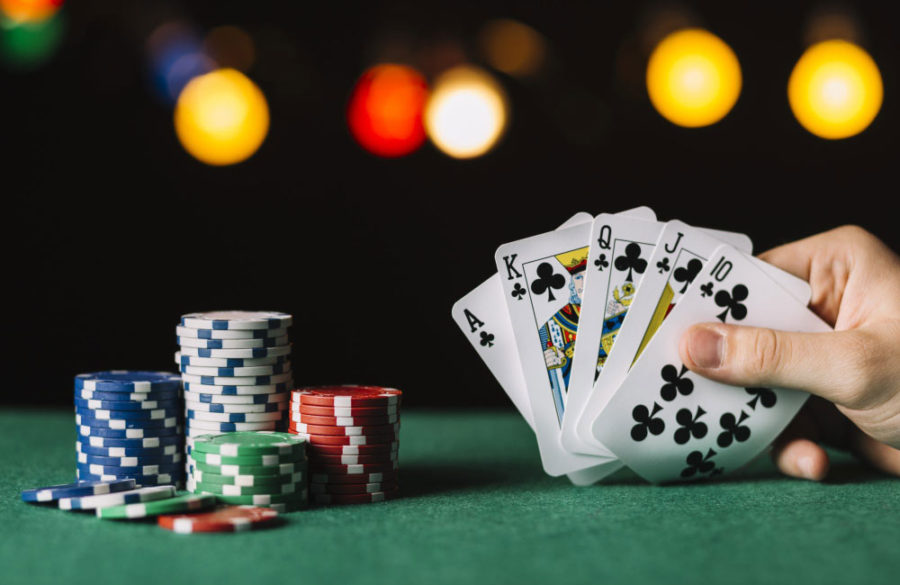
However, luck can be a double-edged sword. While it can lead to sudden, significant wins, it can also result in devastating losses. Many gamblers find themselves on a rollercoaster of fortunes, where a streak of good luck may be followed by an equally unfortunate downturn. This unpredictable nature is precisely why gambling can be so enticing yet perilous. Recognizing the role of luck is crucial for gamblers to set realistic expectations and avoid the pitfalls of chasing fleeting fortunes.
Ultimately, luck is an undeniable aspect of gambling, but relying solely on it can be misleading. For those who view gambling as a form of entertainment rather than a surefire way to make money, the presence of luck adds to the thrill. Understanding that luck plays a pivotal role allows players to enjoy the experience without falling into the trap of expectation or entitlement.
The Importance of Skill in Gambling
While luck plays a significant role, skill cannot be underestimated. In many gambling games, particularly those involving strategy like poker or blackjack, the decisions made by the player greatly influence the outcome. Skilled players can analyze odds, understand probabilities, and employ strategies that maximize their chances of winning. For example, in poker, reading opponents and making calculated bets can mean the difference between a win and a loss, demonstrating that skillful play can lead to consistent success.
Skill also involves a deep understanding of the game mechanics, including the probability of certain outcomes. In games like blackjack, players can use strategies like card counting to shift the odds in their favor. This knowledge highlights the importance of preparation and practice; gamblers who invest time in mastering their chosen games often find themselves more successful over the long term. Hence, the balance between luck and skill can significantly impact a player’s overall success.
Moreover, honing one’s skill can lead to better bankroll management, allowing players to navigate their gambling experiences more effectively. Experienced gamblers understand when to walk away and how to make informed decisions under pressure. This blend of skill and discipline cultivates a more sustainable approach to gambling, where players can enjoy the thrill while minimizing the risks associated with relying solely on luck.
The Influence of Game Choice
The type of game a gambler chooses can significantly influence whether luck or skill plays a more prominent role in their success. Games like slot machines and lotteries are almost entirely luck-based, offering little opportunity for skill enhancement. In contrast, games such as poker, blackjack, and sports betting allow for a substantial skill component, enabling players to strategize and improve their performance over time. Understanding the nature of the game can help gamblers align their playing style with their personal strengths, further optimizing their chances for success.
Choosing the right games also impacts a player’s psychological approach. When engaging in luck-driven games, players may experience a sense of thrill and excitement, but they must remain cautious to avoid chasing losses. In skill-based games, the focus shifts towards strategy and long-term growth, fostering a more analytical mindset. This understanding encourages players to select games that not only align with their skills but also maintain their interest and engagement over time.
Furthermore, the gaming environment itself can affect the balance of luck and skill. In a competitive poker game, for example, the presence of skilled opponents can raise the stakes, emphasizing the importance of skill in achieving success. Conversely, in a casual setting with inexperienced players, luck may take precedence. Therefore, assessing the game choice and understanding the dynamics of that specific environment can help players better navigate their gambling experiences.
The Psychological Aspect of Gambling
The psychological factors at play in gambling cannot be overlooked when discussing the balance between luck and skill. Many gamblers fall into cognitive biases that lead them to overestimate their control over outcomes. This can manifest as the “gambler’s fallacy,” where players believe that past results will influence future outcomes. Such misconceptions can lead to irrational decision-making and unhealthy gambling behaviors. Understanding these psychological traps is essential for anyone looking to navigate the gambling landscape effectively.
Additionally, the emotional highs and lows associated with gambling can impact a player’s judgment. The rush from a lucky win can create an adrenaline-fueled desire to continue playing, sometimes leading to reckless behavior. Conversely, a streak of bad luck may evoke frustration and desperation, leading players to make impulsive bets in an attempt to recoup losses. Recognizing these emotional triggers is vital for responsible gambling, allowing players to maintain a level-headed approach that prioritizes enjoyment over profit.
Moreover, developing a strong mindset can help players cope with the inevitable fluctuations of luck and skill in gambling. Establishing personal limits, understanding the importance of breaks, and maintaining a clear focus on entertainment rather than profit can transform the gambling experience. By fostering a balanced perspective, players can enjoy the thrill of gambling while mitigating the risks associated with both luck and skill.

Conclusion: Finding Balance in Gambling
In summary, the age-old debate of luck versus skill in gambling reveals a complex interplay that varies by game and player. While luck undeniably influences outcomes, particularly in games of chance, skill plays a crucial role in games where strategy and knowledge can enhance performance. Understanding this balance is essential for gamblers aiming for a successful and enjoyable experience, as both elements contribute to the overall landscape of gambling.
Gamblers should aim to cultivate their skills while remaining mindful of the luck factor, ensuring that they enjoy the journey rather than merely focusing on the outcome. By adopting a well-rounded approach that respects both luck and skill, players can improve their chances for success while also enjoying the various forms of gambling available.
Ultimately, whether one leans towards luck or skill, the key lies in finding a harmonious balance. Understanding the nuances of both aspects will not only enhance the gambling experience but also foster responsible behaviors that promote long-term enjoyment and satisfaction.
